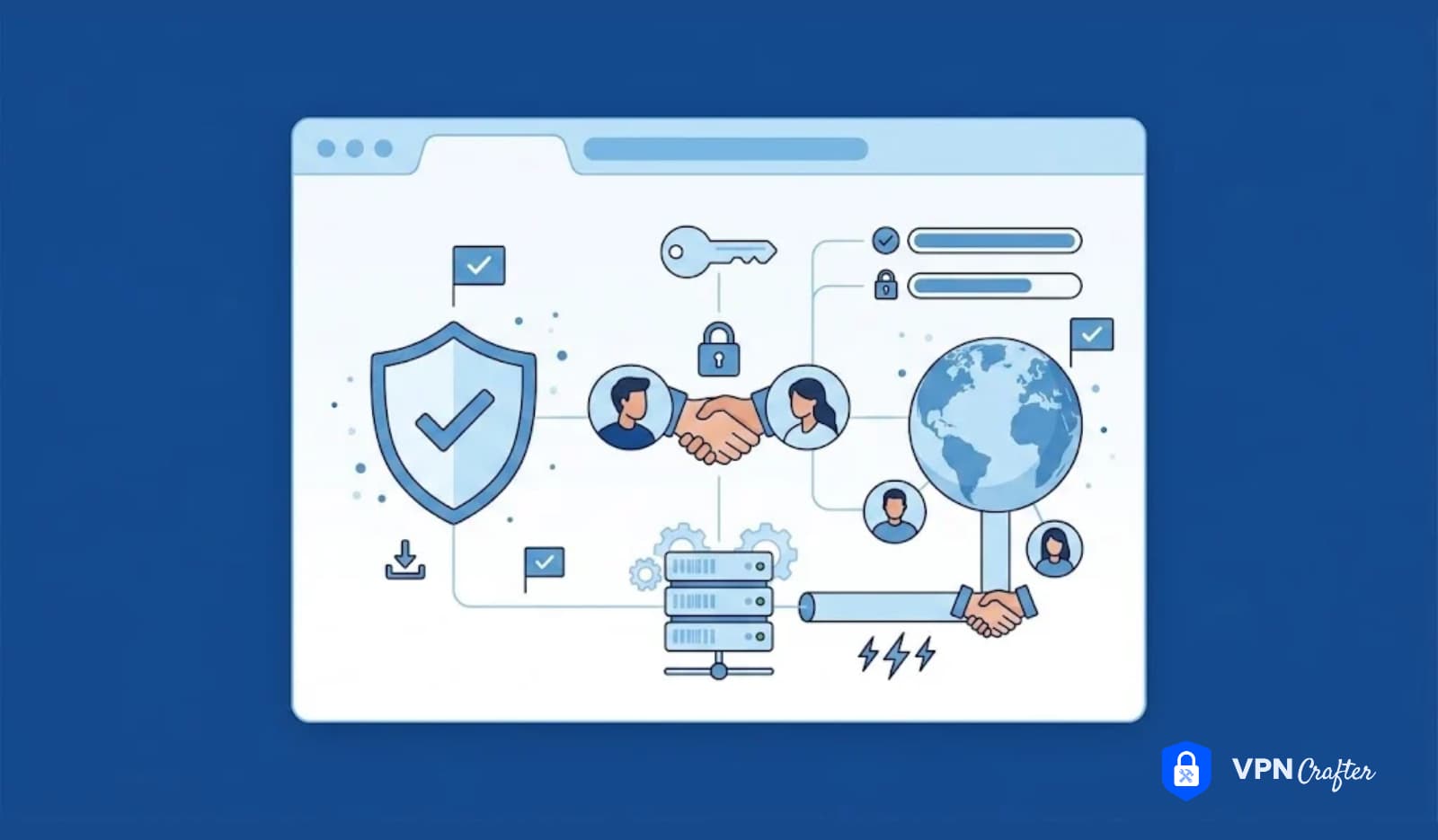


How to Start a VPN Company successfully in 2026 requires five core components:
- A clear niche and positioning strategy
- A legal structure in a privacy-friendly jurisdiction
- Reliable technical infrastructure or a White Label VPN Development Solution
- A secure, cross-platform VPN application
- A scalable marketing and monetization engine
Estimated Startup Costs
Costs vary by model:
- White-label setup: $5,000 to $25,000 initial investment
- Infrastructure-based model: $80,000 to $250,000+ depending on global server scale
- Monthly operational cost: $3,000 to $40,000+
Legal Considerations
- Business registration in a favorable jurisdiction
- GDPR and CCPA compliance
- Transparent logging policies
- Clear Terms of Service and Privacy Policy
Technical Requirements
- Secure server infrastructure
- Tunneling protocols such as WireGuard and OpenVPN
- AES-256 encryption
- Kill switch and DNS leak protection
- Cross-platform application development
Revenue Potential
A well-positioned VPN business with 5,000 subscribers paying $8 per month generates $40,000 monthly recurring revenue. With disciplined marketing and retention systems, margins often exceed 60 percent after infrastructure stabilization.
That is the reality behind How to Start a VPN Company. It is not a side project. It is a structured SaaS business.
Why Start a VPN Company in 2026?
Market Demand Growth
Remote work is permanent. Streaming libraries remain geo-restricted. Privacy awareness continues to grow. Enterprises now require encrypted tunneling for distributed teams. VPN adoption is no longer niche. It is mainstream.
Market Size and CAGR
The global VPN market continues expanding at double-digit CAGR. Consumer subscriptions drive volume, while enterprise deployments increase ARPU.
Recurring revenue, global reach, and digital delivery make this model attractive.
Consumer vs Enterprise Opportunity
Consumer VPNs target:
- Streaming access
- Best VPN solutions for home
- VPN for Windows users
- Privacy-focused individuals
Enterprise VPNs target:
- Remote workforce security
- Site-to-site connections
- Compliance-sensitive industries
Enterprise contracts bring higher ticket sizes. Consumer markets offer faster scale.
Niche Positioning Opportunities
Saturation exists in generic positioning. Growth lives in specialization:
- Gaming VPN with low latency routing
- Streaming VPN optimized for Netflix or VPN for Tubi
- VPN for privacy advocates with audited no-log claims
- Corporate VPN for SMB security
Clear positioning reduces acquisition costs.
Business Models for a VPN Company
Understanding the right operational model is critical when deciding How to Start a VPN Company.
Reseller / White-Label VPN Model
This model leverages White Label VPN infrastructure provided by a VPN Development Company.
How White-Label VPN Works for Businesses
A provider builds and maintains the server infrastructure, backend, and security stack. Your company rebrands the application, sets pricing, and handles marketing.
Pros
- Lower startup cost
- Faster launch timeline
- Reduced technical overhead
- Predictable operational expense
Cons
- Limited backend control
- Dependence on third-party infrastructure
- Lower margin compared to owned servers
White-Label VPN Development makes sense for founders prioritizing speed and reduced technical complexity.
Infrastructure-Based VPN Model
Here, you build and manage your own server network.
Advantages
- Full control over routing and IP pools
- Higher brand authority
- Stronger differentiation
- Better long-term margins
Challenges
- Significant capital investment
- Need for in-house network engineers
- Ongoing server maintenance and monitoring
This route demands serious commitment.
Hybrid Model
Start with a White Label VPN Development Solution. Validate demand. Build brand equity. Gradually migrate to owned infrastructure.
Many successful VPN brands follow this path.
White-Label vs Infrastructure Comparison Chart
| Criteria | White Label VPN | Infrastructure-Based VPN |
|---|---|---|
| Initial Cost | Low to Medium | High |
| Launch Time | 2–8 weeks | 4–12 months |
| Technical Complexity | Low | High |
| Control Over Servers | Limited | Full |
| Branding Flexibility | High | High |
| Profit Margin | Medium | High |
| Scalability | Dependent on provider | Fully customizable |
| Best For | Fast market entry | Long-term authority |
Founders evaluating How to Start a VPN Company must align model choice with capital, expertise, and timeline.
Step 1 – Define Your Niche & Positioning
Generic VPNs struggle.
Precision positioning wins.
General Consumer VPN
Broad targeting. High competition. Requires heavy marketing budget.
Streaming-Focused VPN
Optimized IP rotation and media routing. Messaging targets Netflix and regional libraries.
VPN for Privacy and Security
Audit-backed no-log architecture. Appeals to journalists, activists, and compliance-driven users.
Gaming VPN
Focus on low latency. Dedicated gaming routes. Anti-DDoS messaging.
Enterprise VPN
Custom SLA agreements. Multi-tenant infrastructure. Centralized management dashboards.
Geo-Specific VPN
Local language branding. Regional payment options.
Clear niche positioning influences product features, marketing tone, and server deployment strategy.
Step 2 – Legal & Compliance Requirements
Legal missteps destroy trust quickly.
Business Registration
Select a jurisdiction aligned with privacy standards and favorable corporate law.
Data Protection Laws
GDPR and CCPA compliance is mandatory when serving European or US customers.
Logging Policies
Define clearly:
- Connection logs
- Activity logs
- Retention duration
Transparency strengthens brand equity.
Jurisdiction Strategy
Countries with privacy-friendly legislation provide operational advantages. Evaluate surveillance alliances and data-sharing agreements carefully.
Terms of Service and Privacy Policy
Draft professionally. Avoid vague promises. Ensure claims match technical reality.
Step 3 – Technical Infrastructure Setup
Technical integrity determines survival.
Server Infrastructure
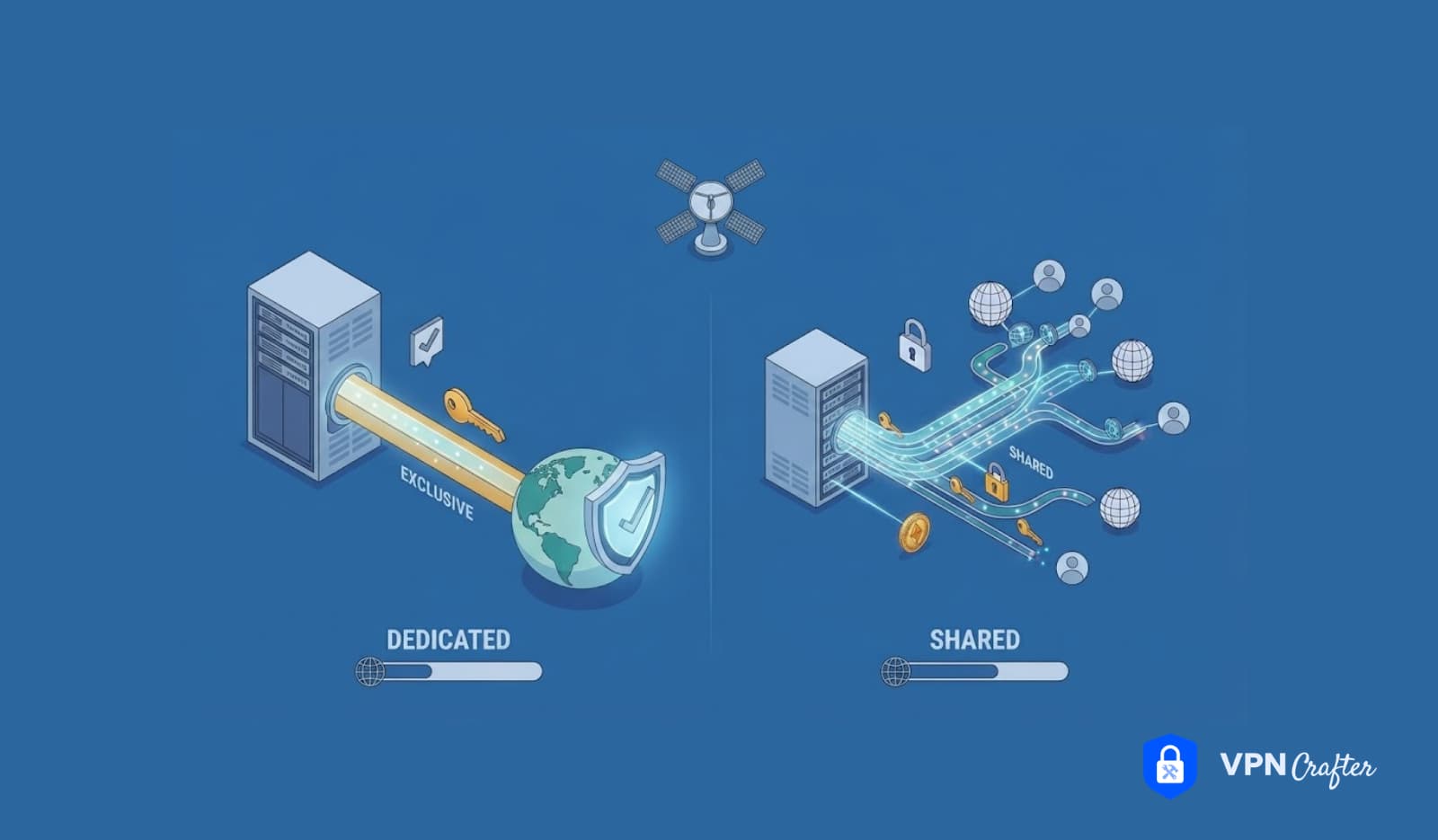
Dedicated vs VPS Servers
Dedicated servers offer higher control and predictable performance. VPS solutions reduce cost but may share resources.
Global Distribution
Deploy servers in key markets:
- US
- UK
- Germany
- Canada
- Australia
- Japan
Geographic coverage influences acquisition potential.
Bandwidth Planning
Under-provisioned bandwidth results in congestion. Plan for peak usage periods.
VPN Protocols
WireGuard
Modern, lightweight, fast.
OpenVPN
Battle-tested and flexible.
IKEv2
Strong mobile stability.
OpenConnect
Enterprise-friendly option.
Protocol diversity improves compatibility.
Security Architecture
- AES-256 encryption
- Kill switch to prevent IP leaks
- DNS leak protection
- No-log configuration
Security claims must be verifiable.
Step 4 – Build Your VPN Application
A polished app determines retention.
Platform Coverage
Support:
- Windows
- macOS
- iOS
- Android
- Smart TVs
Full Stack VPN App Development ensures backend and frontend integration works seamlessly.
UI/UX Considerations
- One-click connect
- Server selection map
- Speed indicators
- Clean onboarding flow
Poor UX increases churn.
Step 5 – Pricing Strategy & Monetization
Revenue modeling matters early.
Subscription Tiers
- Monthly high-price entry
- Annual discounted plan
- Optional lifetime tier
Free Trial vs Freemium
Trial increases conversion. Freemium attracts volume but strains infrastructure.
Affiliate Program
VPN markets rely heavily on affiliates and review sites.
B2B Licensing
Enterprise contracts stabilize revenue streams.
Revenue Projections
Assume:
- CAC: $40
- LTV: $180
- Churn: 4 percent monthly
Healthy SaaS economics require LTV at least 3x CAC.
Step 6 – Payment Infrastructure
Reliable billing supports growth.
Payment Gateways
Stripe, Paddle, and crypto expand reach.
Fraud Prevention
Implement anti-chargeback systems. Monitor suspicious transactions.
Subscription Management
Automated renewal reminders reduce churn.
Step 7 – Marketing & Customer Acquisition Strategy
Even the best infrastructure fails without demand.
SEO Strategy
Target high-intent keywords:
- Best VPNs for Streaming
- Best VPN for Windows
- VPN for Privacy
Create topical clusters. Build authority through educational content. Secure placements on review sites.
Influencer & YouTube Partnerships
Tech reviewers drive early traction. Affiliate incentives align interests.
Affiliate Marketing
Top VPN brands attribute over 50 percent of growth to affiliates.
Paid Ads
Google and native advertising deliver scalable acquisition when unit economics support it.
App Store Optimization
Ratings directly impact conversion rates.
Step 8 – Support & Retention Strategy
Retention drives profitability.
24/7 Support
Live chat reduces cancellation requests.
Knowledge Base
Detailed setup guides lower support cost.
Churn Reduction
Monitor cancellation reasons. Implement win-back campaigns.
Estimated Cost to Start a VPN Company
White-Label Model
- Setup: $5,000 to $25,000
- Monthly operational: $3,000 to $10,000
Infrastructure Model
- Setup: $80,000+
- Monthly operational: $20,000 to $40,000
Marketing Budget
Allocate 30 to 50 percent of revenue during growth phase.
Break-Even Timeline
Typically 12 to 24 months depending on acquisition efficiency.
Common Mistakes When Starting a VPN Business
- Ignoring legal compliance
- Weak infrastructure planning
- Overpromising streaming capabilities
- Poor support systems
- No differentiation
Avoid shortcuts.
How Much Can You Earn From a VPN Company?
Revenue Examples
5,000 subscribers at $8 monthly = $40,000 MRR
20,000 subscribers = $160,000 MRR
Profit Margins
After infrastructure stabilization, margins can exceed 60 percent.
Scaling Model
Expand server network gradually. Increase ARPU through annual plans.
Exit Opportunities
Acquisitions by cybersecurity firms or SaaS aggregators are common.
Frequently Asked Questions
Is Starting a VPN Company Profitable?
Yes, when unit economics are managed properly.
Do I Need Technical Skills?
White Label VPN Development reduces technical burden. Infrastructure-based models require engineering expertise.
How Long Does It Take to Launch?
White-label: 1 to 2 months.
Infrastructure-based: 6 to 12 months.
Can I Start Without Owning Servers?
Yes. White Label VPN makes that possible.
Which Country Is Best to Register?
Select privacy-friendly jurisdictions with strong business frameworks.
Final Thoughts: Is Starting a VPN Company Right for You?
Learning How to Start a VPN Company demands clarity, capital, and discipline. Opportunity is real. Competition is fierce. Execution separates durable brands from short-lived experiments. Strong positioning, transparent policies, reliable infrastructure, and consistent marketing create long-term value.
Strategic visibility combined with disciplined infrastructure is what transforms an idea into a profitable VPN company.