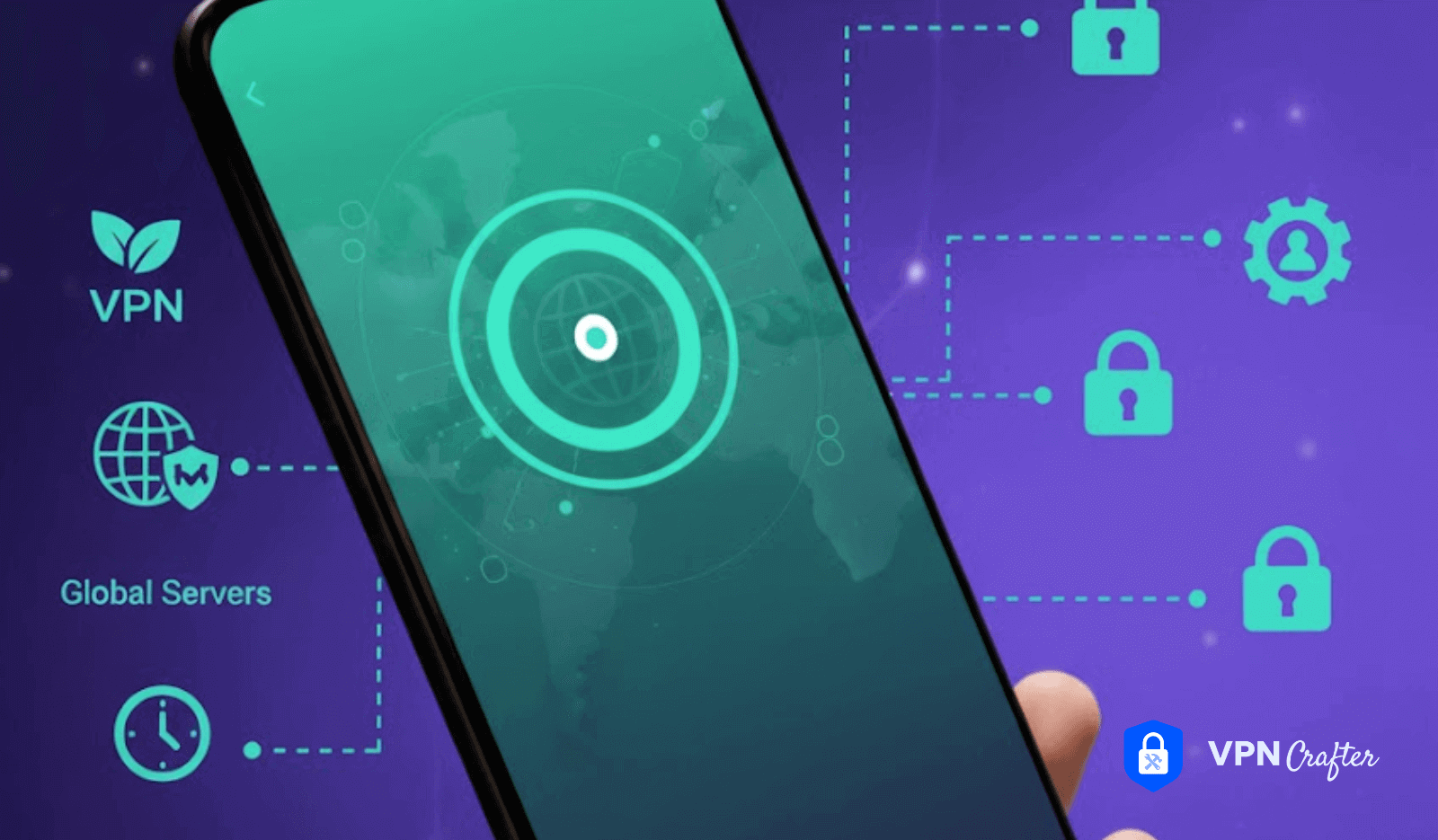

Every tap, swipe, and login leaves a data trail. Personal messages, business emails, banking sessions, and internal tools all move across networks that were never designed with privacy as a default. A modern VPN app exists because the internet still trusts the network more than the user.
Mobile-first behavior has intensified this exposure. Smartphones now handle payments, authentication, and corporate access, often over public Wi-Fi or carrier networks with aggressive data inspection. Attack surfaces expand the moment users step outside controlled environments.
A capable VPN app solves more than IP masking. It creates an encrypted tunnel, enforces DNS protection, stabilizes routing, and restores control to the user. Security, performance, and ownership converge in one interface, which explains why VPN for Security has shifted from optional to expected.
What Is a VPN App and How Does It Work?
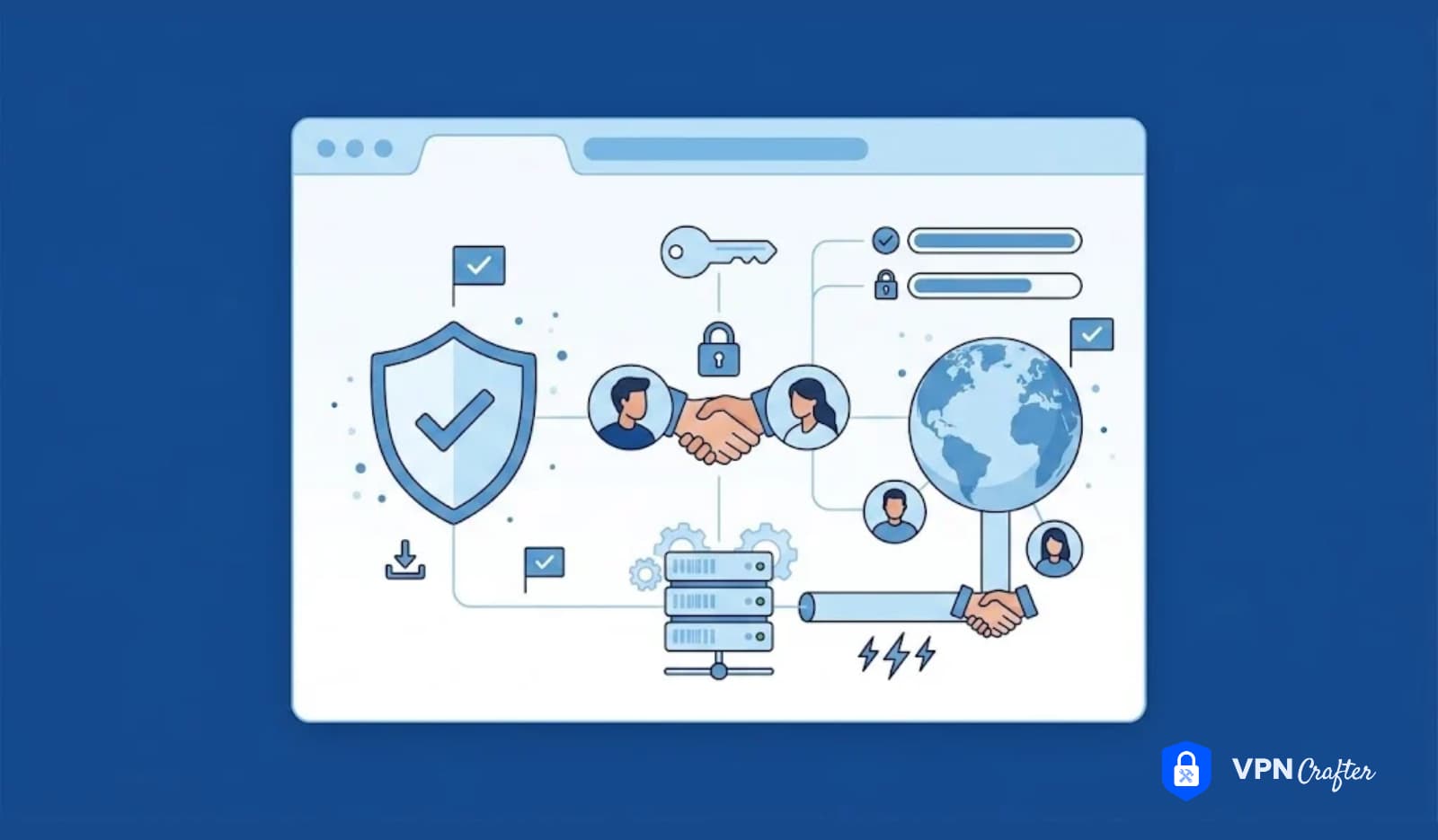
A VPN app creates a private tunnel between a device and a secure server. Data travels through this tunnel using strong encryption, commonly AES-256, before reaching the open internet. Outsiders only see encrypted packets, not destinations or content.
Browser proxies only mask traffic inside the browser. A VPN app protects the entire system, including background services, apps, and APIs. That distinction matters for professionals, gamers, and businesses relying on full-session integrity.
Once “Connect” is tapped, the app authenticates, negotiates a tunneling protocol, assigns a virtual IP, and routes traffic through a controlled gateway. Behind that simplicity sits years of full stack vpn app development and network engineering.
Key Features That Define a Reliable VPN App
A dependable VPN app balances usability with architecture-grade security.
Core features include:
- AES-256 encryption to secure data at rest and in transit
- Kill switch and DNS leak protection to prevent accidental exposure
- Split tunneling for app-level traffic control
- Auto-connect rules for unsecured networks
- Server switching and location optimization for speed and compliance
These features separate consumer-grade tools from Enterprise VPN solutions and White Label VPN for Business deployments.
VPN App Security: What Actually Protects You
Encryption shields traffic from interception on public Wi-Fi and hostile networks. That protection only works when paired with a strict no-logs policy. Marketing claims mean nothing without enforcement at the infrastructure level.
Secure protocols such as WireGuard and OpenVPN handle key exchange, authentication, and session resilience. Their performance characteristics define whether a VPN app feels invisible or intrusive.
Providers focused on White-Label VPN Development often embed these protections into multi-tenant infrastructure so partners inherit hardened defaults without rebuilding security from scratch.
Performance Matters: Speed, Stability, and Latency
A VPN app always adds a hop, but intelligent routing can reduce latency rather than increase it. Poorly optimized networks force traffic through distant servers, creating lag and packet loss.
Speed depends on:
- Server proximity
- Load balancing logic
- Protocol efficiency
- ISP peering quality
Well-designed White Label VPN Solutions invest heavily in routing intelligence. That investment explains why some VPN apps stabilize gaming and streaming while others degrade the experience.
Real-World Use Cases for a VPN App
A VPN app adapts to real behavior, not theoretical threats.
Common use cases include:
- Securing mobile banking and digital wallets
- Protecting browsing on public networks
- Bypassing ISP throttling during peak hours
- Gaming, streaming, and remote work access
Businesses rely on VPN apps to protect credentials. Gamers use them to stabilize routing. Founders use them as the foundation to Launch Your Own VPN Brand.
VPN App for Mobile vs Desktop: Key Differences
Mobile VPN apps prioritize efficiency. Android and iOS impose background limits that affect persistent tunnels. Battery optimization, protocol selection, and auto-reconnect logic matter more than raw speed.
Desktop VPN apps favor configurability. Power users expect custom routing, protocol switching, and diagnostics. OS-level controls offer deeper visibility but require smarter defaults.
Strong VPN app design accounts for both environments without fragmenting the user experience.
Free vs Paid VPN Apps: The Hidden Trade-Offs
Free VPN apps monetize attention or data. Ads, traffic resale, and logging practices introduce risks that undermine security.
Paid VPN apps invest in:
- Infrastructure ownership
- Audited no-logs policies
- Continuous protocol updates
- Dedicated support
Cost reflects operational reality. Revenue Models for Your White Label VPN Business exist because privacy infrastructure is expensive to maintain correctly.
How to Choose the Right VPN App
Evaluation should start with architecture, not branding. Check for:
- Clear protocol documentation
- Transparent privacy policies
- Minimal permissions
- Server ownership disclosures
Ask whether the provider operates its own infrastructure or resells capacity. That distinction explains Why VPN startups fail when margins collapse or compliance gaps appear.
Common Myths About VPN Apps
“VPN apps make you completely anonymous”
False. They reduce exposure but do not replace operational security.
“All VPN apps are the same”
Reality shows massive differences in routing, logging, and architecture.
“VPN apps are only for tech experts”
Modern apps abstract complexity. Usability now drives adoption more than expertise.
Future of VPN Apps: Where the Market Is Headed
Mobile-first privacy tools dominate growth curves. Integration with encrypted DNS and zero-trust access models accelerates adoption across enterprise and consumer segments.
White Label VPN vs Custom VPN debates continue, but time-to-market favors White Label VPN Development Service providers. Teams launching faster gain brand equity before markets saturate.
Digital hygiene increasingly includes a VPN app alongside password managers and endpoint security.
Final Thoughts: Is a VPN App Worth Using Today?
Anyone handling sensitive data should use a VPN app immediately. Freelancers, gamers, founders, and remote teams all benefit from encrypted routing and network control.
A reliable VPN app fits naturally into daily workflows when designed with performance, transparency, and trust at its core. The same principles guide successful white label VPN development for startups and enterprises alike.
Platforms that combine proven infrastructure with operational discipline tend to last. That mindset reflects why solutions such as Cure VPN emphasize stability, privacy, and user trust over short-term growth tactics. The strongest VPN brands are built quietly, backed by architecture that works long before marketing speaks.